A trustworthy brand tells you what's actually in the jar and where it came from. Lion's mane can be grown and sold as fruiting body, mycelium, or a full-spectrum blend of both, and each carries a somewhat different compound profile — fruiting body tends to test higher in beta-glucans, while mycelium contributes compounds like erinacines. None of that is a problem on its own. The real issue is a brand that pads the jar with the grain substrate the mycelium was grown on and sells the whole thing as mushroom powder without disclosing it. A high quality lion's mane brand will always be upfront about what's actually in the jar, substrate included.
The extraction ratio matters too. A 1:1 powder is closer to the raw mushroom. A 10:1 extract has been concentrated down, and that concentration should be printed on the label, not buried.
Third-party testing is the real signal. It confirms what's actually in the jar matches what's on it. Without that, you're trusting a label you can't verify, and the best lion's mane brand never asks you to compromise your values. This is exactly the kind of transparency you'll find among trusted lion's mane brands.
Extract Or Whole Mushroom? The Difference Most Brands Don't Explain
An extract and a whole mushroom are not the same product, even when both say lion's mane on the label. The difference comes down to processing, and processing changes what ends up in your capsule. Here's what separates the two, and why it matters when you're comparing top lion's mane brands:
What An Extract Actually Is
An extract is the mushroom broken down, usually with hot water or alcohol, to concentrate specific compounds. That process strips away fiber and other whole-food components in the process. What's left is potent in a narrow sense, but it is not the mushroom itself. Any brand implying otherwise is stretching the truth.
Why Whole Mushroom Powder Is Different
Whole mushroom powder keeps everything the mushroom naturally contains — fruiting body and mycelium alike, whichever the product uses — without pulling anything out or concentrating it down. You get the full spectrum of what grew, not a fraction of it, and not a fraction diluted with unrelated filler.
Why The Distinction Should Change Your Buying Decision
Neither form is automatically better. But you should know which one you're buying and why. If a label doesn't specify extract or whole mushroom, that's a gap in transparency worth noticing. A brand that explains this difference upfront is one that respects your ability to decide for yourself. It's one of the clearest ways to separate top lion's mane brands from the field.
How To Read A Lion's Mane Label Like A Skeptic
A label tells you almost everything, if you know what to look for. Most people skim past the details that actually matter and focus on the front of the bottle instead. Once you know what to check, sorting through lion's mane brand reviews becomes a lot less confusing:
Check The Milligrams Against The Extraction Ratio
A high milligram number means nothing on its own. What matters is what that number represents. A best lion's mane supplement brand will list both the dose and the extraction ratio, so you know if you're getting 500mg of whole powder or 500mg of something concentrated down from ten times that amount.
Look For A Certificate Of Analysis
A certificate of analysis is lab confirmation that what's on the label matches what's in the capsule. It checks for potency and screens out contaminants. If a company won't provide one on request, that's worth noticing. This single document separates a high quality lion's mane brand from one hoping you won't ask.
Watch For Vague Blend Language
Phrases like "proprietary blend" often hide how little of an ingredient is actually in the formula. Without individual amounts listed, you can't tell what you're paying for. Learn more in How to Judge the Quality of Your Supplement. Trusted lion's mane brands list every ingredient with its exact amount, no exceptions.
Why Making Your Own Lion's Mane Capsules Puts You In Control
Once you know what to look for on a label, the whole shopping decision gets simpler. It comes down to sourcing, extraction ratio, and whether a company can back up what it prints on the bottle. Some brands can. Many can't, or won't say. Any of the best lion's mane supplement brands absolutely will.
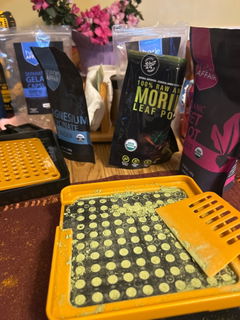
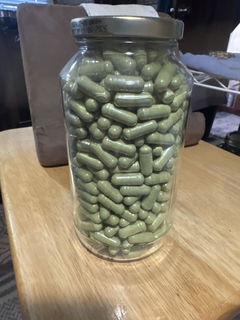
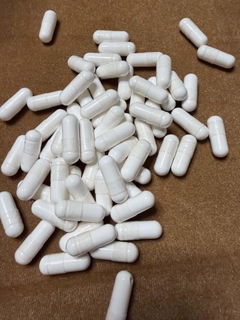
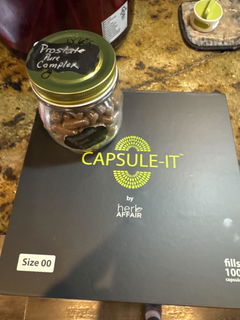
There's another option worth considering. When you buy Lion's Mane Powder and fill your own capsules, you skip the guesswork entirely. You know the source, the form, and the exact dose in every capsule, because you're the one who put it there. We sell the powder and the tools to make that possible, but the decision of what goes into your body is yours to make, not ours.
Disclaimer: These statements have not been evaluated by the Food and Drug Administration. This product is not intended to diagnose, treat, cure, or prevent any disease.
Sources:
- Chang, H.-H., Hsieh, K.-Y., Yeh, C.-H., Tu, Y.-K., & Sheu, F. (2024). Bioactive substances in Hericium erinaceus and their biological properties: A review. Journal of Food and Drug Analysis. https://doi.org/10.38212/2224-6614.3480
- Thongbai, B., Rapior, S., Hyde, K. D., Wittstein, K., & Stadler, M. (2015). Hericium erinaceus, an amazing medicinal mushroom. Mycological Progress, 14(10), Article 91. https://doi.org/10.1007/s11557-015-1105-4
- Mori, K., Inatomi, S., Ouchi, K., Azumi, Y., & Tuchida, T. (2009). Improving effects of the mushroom Yamabushitake (Hericium erinaceus) on mild cognitive impairment: A double-blind placebo-controlled clinical trial. Phytotherapy Research, 23(3), 367–372. https://doi.org/10.1002/ptr.2634
- Reynaud, D. T. H., Mishler, B. D., Neal-Kababick, J., & Brown, P. N. (2015). Understanding DNA barcoding: A review and summary of recent white papers on DNA barcoding for the authentication of herbal dietary supplements. HerbalGram, (106), 52–59. Retrieved from https://www.herbalgram.org/resources/herbalgram/issues/106/table-of-contents/hg106-qualcon-dnawhitepapers/