Magnesium works mostly behind the scenes. It helps your muscles relax after they contract, keeps nerve signals firing normally, and supports the enzyme reactions that turn food into usable energy. Without enough of it, muscles stay tense longer than they should, and your nervous system runs a little hotter than it needs to.
Glycinate is magnesium bonded to glycine, an amino acid with its own calming effect on the nervous system. That pairing matters because plain magnesium oxide, the kind in most drugstore bottles, absorbs poorly and often causes digestive upset before your body gets much use from it. Magnesium glycinate skips most of that problem.
That's the practical case for choosing this form: better absorption, gentler on your stomach, and a compound your body can actually use. Most find they can take it consistently without the bathroom trips that come with cheaper forms.
Magnesium Glycinate For Hormones
Hormones don't operate in isolation. They rely on a stable nervous system and a steady mineral supply to send and receive their signals correctly, and magnesium sits right in the middle of that process. Here's where that connection actually shows up:
Magnesium And Your Stress Hormones
Cortisol, your main stress hormone, depends on magnesium to stay regulated. When magnesium runs low, cortisol tends to run high, which can leave you feeling wired even when you're exhausted. If stress feels like a constant background hum, our 9 Best Herbs and Vitamins for Managing Stress and Anxiety Naturally breaks down other options worth knowing about, too.
Magnesium Through The Menstrual Cycle
Estrogen and progesterone shift throughout your cycle, and magnesium levels shift right along with them. Many women notice symptoms clustering in the days before their period, which lines up with when magnesium is often at its lowest. Some find that keeping intake steady through the whole cycle, not just when symptoms hit, helps more.
Magnesium And Hormone-Driven Sleep Disruption
Poor sleep and hormone swings often feed each other. Magnesium supports the nervous system pathways involved in winding down at night, which is part of why low levels can show up as restlessness before your period even starts. Your body needs a calm nervous system to shift into rest mode, and getting that part right matters well beyond your cycle, something we get into in Why Prioritizing Sleep is the Key to Optimal Health.
Magnesium Glycinate For PMS And Period Cramps
Cramps and mood swings are two of the most common reasons women look into magnesium in the first place. The reasoning behind it comes down to two separate mechanisms, both tied to how magnesium interacts with muscle and brain chemistry. Here's how magnesium glycinate for cramps works alongside its role in easing mood-related symptoms, and why they're not the same conversation:
How Magnesium Eases Cramping
Uterine cramps happen when the muscle contracts harder than it needs to. Magnesium competes with calcium at the muscle cell level, and calcium is what triggers contraction. With enough magnesium on board, that contraction tends to ease off sooner, which is part of why many women associate it with a calmer cycle.
Magnesium And Prostaglandins
Prostaglandins are the compounds behind period pain and inflammation, and your body makes more of them when magnesium is low. Some research suggests adequate magnesium may help keep prostaglandin production in check, which is a different pathway than muscle relaxation and works alongside it rather than replacing it.
Magnesium, Mood, And The Luteal Phase
The week or two before your period, called the luteal phase, is when PMS symptoms tend to peak alongside natural shifts in stress hormones. Magnesium plays a role in serotonin production, which affects mood regulation. Feeling foggy, low, or short-tempered during this window isn't unusual, and it's part of why the stress connection matters too, something we get into in Can Stress Prevent You from Losing Weight.
How To Choose And Use Magnesium Glycinate
Picking a magnesium glycinate supplement isn't just about the label. It comes down to dose, form, and whether you actually know what's in the capsule you're swallowing. Here's what matters most once you're ready to start:
Elemental Magnesium And Dosing
Not all the magnesium listed on a label is usable by your body. What counts is elemental magnesium, the actual amount your cells can access. Many women find doses in the 200 to 400 mg range a reasonable starting point, though your needs depend on diet, body size, and what you're hoping to support. A healthcare provider can help you land on the right number. If you want a deeper look at sourcing and quality, our Best Magnesium Glycinate Powder breakdown covers what to look for.
Why Filling Your Own Capsules Gives You Control
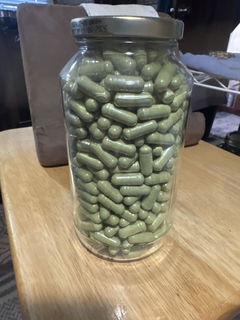
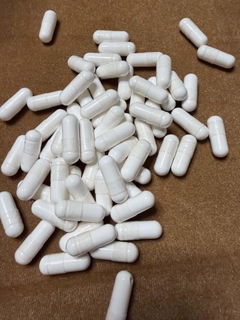
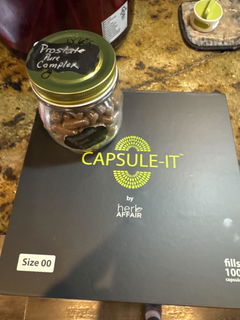
Store-bought supplements often bundle in fillers, binders, or a dose that doesn't match what you actually need. Filling your own capsules with a capsule filling machine lets you set the exact milligrams per capsule instead of guessing. Tamping the powder down more or less changes the dose, and a digital scale is the most reliable way to confirm you hit your target.
These statements have not been evaluated by the Food and Drug Administration. This product is not intended to diagnose, treat, cure, or prevent any disease.
Sources:
- de Baaij, J. H. F., Hoenderop, J. G. J., & Bindels, R. J. M. (2015). Magnesium in man: Implications for health and disease. Physiological Reviews, 95(1), 1–46. https://doi.org/10.1152/physrev.00012.2014
- Schuchardt, J. P., & Hahn, A. (2017). Intestinal absorption and factors influencing bioavailability of magnesium: An update. Current Nutrition & Food Science, 13(4), 260–278. https://doi.org/10.2174/1573401313666170427162740
- Alizadeh, M., Karandish, M., Asghari Jafarabadi, M., Heidari, L., Nikbakht, R., Babaahmadi Rezaei, H., & Mousavi, R. (2021). Metabolic and hormonal effects of melatonin and/or magnesium supplementation in women with polycystic ovary syndrome: A randomized, double-blind, placebo-controlled trial. Nutrition & Metabolism, 18, Article 57. https://doi.org/10.1186/s12986-021-00586-9
- Gök, S., & Gök, B. (2022). Investigation of laboratory and clinical features of primary dysmenorrhea: Comparison of magnesium and oral contraceptives in treatment. Cureus, 14(11), Article e32028. https://doi.org/10.7759/cureus.32028
- Schuster, J., Cycelskij, I., Lopresti, A., & Hahn, A. (2025). Magnesium bisglycinate supplementation in healthy adults reporting poor sleep: A randomized, placebo-controlled trial. Nature and Science of Sleep, 17, 1489–1502. https://doi.org/10.2147/NSS.S524348