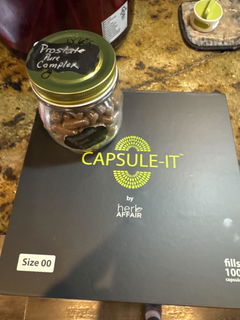
Magnesium glycinate pairs magnesium with glycine, an amino acid that helps carry it into your cells more gently than cheaper forms like magnesium oxide. That bond is why many people find it easier on the stomach. When you are shopping for a magnesium glycinate powder supplement, check that glycinate is the only form listed. Some labels blend in oxide or citrate to cut costs, which waters down what you are actually getting.
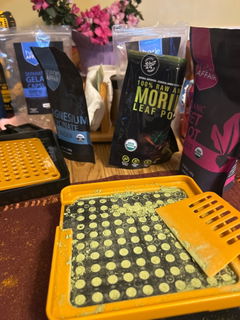
Purity matters just as much as form. Look for third-party lab testing and a clear country of origin. The best magnesium glycinate powder uses no filler, no anti-caking agents, and no added flow agents, meaning that every scoop is just magnesium glycinate, nothing else, diluting your dose. That is what lets you control exactly what goes into each capsule you fill. If you want a closer look at what separates a clean powder from a padded one, How to Judge the Quality of Your Supplement breaks down what to check before you buy.
How To Take Magnesium Glycinate Powder: Dosage And Timing
Getting the dose right is where most people go wrong with any supplement, and magnesium glycinate is no exception. Too little and you may not notice anything at all. Too much and you risk loose stools, since unabsorbed magnesium pulls water into your gut. Here is what actually determines the right amount for you:
Magnesium Glycinate Powder Dosage: Where To Start
Most research on magnesium glycinate uses doses between 200 and 350 mg of elemental magnesium per day. Start low, watch how your body responds, and adjust from there. Your ideal amount depends on diet, body size, and what your doctor recommends.
How To Take Magnesium Glycinate Powder: Timing And Method
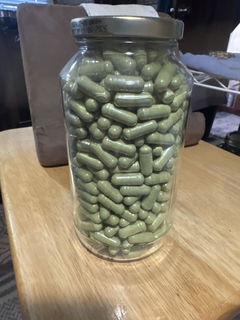
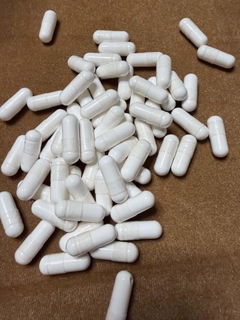
Many people take magnesium glycinate in the evening, since some find it pairs well with winding down. Mix the powder into water, or fill your own capsules for a consistent, no-taste dose you can take anytime.
Measuring Your Dose At Home
A milligram scale is the only reliable way to know what you are actually taking. Weigh your powder before filling capsules, following the Complete Guide to Making Your Own Supplements at Home for the full process.
Magnesium Glycinate Powder For Sleep: Separating Signal From Hype
Sleep is the reason many people try magnesium glycinate powder for sleep in the first place. Magnesium plays a role in regulating the nervous system, which is part of why interest in it for rest runs high. Before you set expectations, it helps to know what the evidence actually shows and where it stops:
The Mechanism Behind The Interest
Magnesium helps regulate GABA, a neurotransmitter that calms nerve activity in the brain. That is the biological reason people connect magnesium to feeling more relaxed at night, not a guarantee of any specific outcome.
What Some People Notice
Some people notice they fall asleep a little easier or feel calmer in the evening after taking magnesium glycinate consistently. Others notice very little. Individual response varies with diet, existing magnesium levels, and overall health.
What the Research Does Not Show
Current research on magnesium and sleep is still limited and mixed. It is not a sedative, and results build gradually over weeks, not overnight. Treat it as one piece of a broader routine, not a standalone fix.
The Bottom Line On Magnesium Glycinate Powder
A quality magnesium glycinate powder comes down to what is not in it as much as what is. One clean form, verified purity, and a dose you control yourself will get you further than a padded capsule off a shelf. The sleep benefits some people notice are real for them, but they build slowly and vary from person to person. There is no shortcut around that, and we would rather tell you that plainly than oversell it.
If you decide magnesium glycinate powder is worth adding to your routine, we carry it in its pure form, along with the capsule fillers and empty capsules to turn it into your own supply at your own dose. What you do with that information is up to you. You know your body better than any label does.
These statements have not been evaluated by the Food and Drug Administration. This product is not intended to diagnose, treat, cure, or prevent any disease.
Sources:
- Schuette, S. A., Lashner, B. A., & Janghorbani, M. (1994). Bioavailability of magnesium diglycinate vs magnesium oxide in patients with ileal resection. Journal of Parenteral and Enteral Nutrition, 18(5), 430–435. https://doi.org/10.1177/0148607194018005430
- Gröber, U., Schmidt, J., & Kisters, K. (2015). Magnesium in prevention and therapy. Nutrients, 7(9), 8199–8226. https://doi.org/10.3390/nu7095388
- He, C., Wang, B., Chen, X., Xu, J., Yang, Y., & Yuan, M. (2025). The mechanisms of magnesium in sleep disorders. Nature and Science of Sleep, 17, 2639–2656. https://doi.org/10.2147/NSS.S552646
- Mah, J., & Pitre, T. (2021). Oral magnesium supplementation for insomnia in older adults: A systematic review & meta-analysis. BMC Complementary Medicine and Therapies, 21, Article 125. https://doi.org/10.1186/s12906-021-03297-z
- Arab, A., Rafie, N., Amani, R., & Shirani, F. (2023). The role of magnesium in sleep health: A systematic review of available literature. Biological Trace Element Research, 201(1), 121–128. https://doi.org/10.1007/s12011-022-03162-1