Lion's mane is a shaggy white mushroom that grows on hardwood trees and looks more like a pom-pom than a typical fungus. Organic means it grows without synthetic pesticides or fertilizers, from spore to harvest. Mushrooms absorb whatever surrounds them, including whatever sits in the soil or growing medium, so that distinction carries weight.
Once harvested, the whole mushroom gets dried and ground into powder. That's different from an extract, which isolates specific compounds and concentrates them. An extract is not the whole mushroom. It's a fraction of it, pulled out and strengthened. While both have a place, they are not interchangeable, and no reputable seller should tell you otherwise.
When you buy organic lion's mane, you're getting the full spectrum of what the mushroom naturally contains — fruiting body and mycelium alike — not a narrowed-down version of it
How Lion's Mane May Support Brain And Nerve Health
Researchers keep coming back to lion's mane for one reason. Lion's mane appears to influence how the brain and nervous system maintain themselves, and that research is still developing. We won't oversell it, so here's what the current science points to plainly.
Nerve Growth Factor Production
Lion's mane contains compounds called hericenones and erinacines. Early research suggests these may help stimulate the production of nerve growth factor, a protein your body uses to maintain and repair nerve cells. This mechanism is the closest explanation researchers have found for lion's mane's reputation, which is why the compound keeps drawing renewed interest. Lions Mane goes deeper into how these compounds work.
Focus And Mental Clarity
The research behind this measured changes only after weeks of consistent use, not after a single dose. Nerve growth factor's possible role in maintaining healthy brain cells offers one plausible explanation for why the studies were designed that way, not a guarantee of what any individual will experience.
Digestive And Gut Support
Lion's mane has a long history of traditional use for digestive comfort, and modern interest has followed that thread. Some research points to prebiotic-like effects, where lion's mane may help support the balance of bacteria in your gut. Gut health and brain function are increasingly linked, which is part of why this mushroom gets studied for both.
Powder, Capsules, or Extract: Choosing Your Organic Lion's Mane Format
Once you see how lion's mane may work, the real decision is practical: which form fits the way you plan to take it. Lion's mane is one of several mushrooms covered in 6 Amazing Functional Mushrooms to Boost Your Health, and each carries its own trade-offs between powder, capsules, and extract. Here's how the choice breaks down for lion's mane:
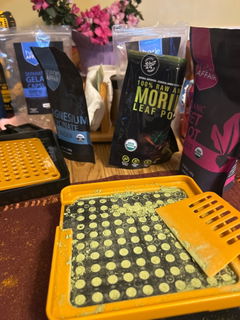
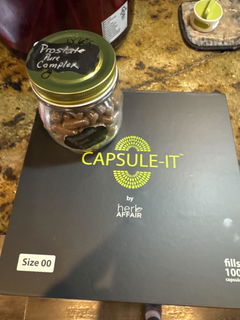
- Lion's Mane Powder Puts You In Control: Organic lion's mane powder is the easiest form to control, letting you measure the dose yourself, mix it into coffee or a smoothie, or fill your own capsules to a target milligram amount. Pairing the powder with a capsule filler puts you in charge of every dose from the start.
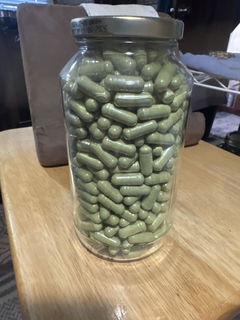
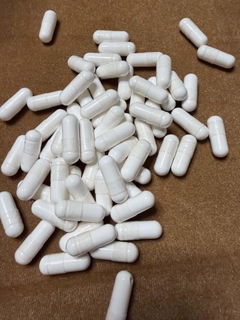
- Organic Lion's Mane Capsules: Organic lion's mane capsules solve the taste problem. The powder has an earthy, slightly bitter flavor that not everyone wants in their coffee. Capsules let you take the same dose without tasting it. You can buy them pre-filled, or fill empty capsules yourself, which keeps the cost closer to the raw ingredient than a finished product.
- Organic Lion's Mane Extract: Organic lion's mane extract concentrates specific compounds instead of delivering the whole mushroom. That makes it stronger by volume, but you're also getting a narrower slice of what the mushroom naturally carries. Extract can make sense if you want a smaller, more concentrated dose. We won't call it a whole food, because it isn't one, and we won't tell you otherwise.
Judging A Quality Organic Lion's Mane Supplement
Whichever form fits your routine, the label should tell you what's really inside. Look for organic certification, a clear statement of whether you're getting powder or extract, and a milligram amount per serving instead of a vague blend. When a company won't disclose the dose, take that as a sign to look elsewhere.
We carry the powder, empty capsules, and a filler so you can check that box yourself instead of trusting someone else's label. How to Judge the Quality of Your Supplement breaks down what separates a well-made supplement from a marketing exercise, if you want to go deeper.
Disclaimer: These statements have not been evaluated by the Food and Drug Administration. This product is not intended to diagnose, treat, cure, or prevent any disease.
Sources:
- Friedman, M. (2015). Chemistry, nutrition, and health-promoting properties of Hericium erinaceus (Lion's mane) mushroom fruiting bodies and mycelia and their bioactive compounds. Journal of Agricultural and Food Chemistry, 63(32), 7108–7123. https://doi.org/10.1021/acs.jafc.5b02914
- Ma, B.-J., Shen, J.-W., Yu, H.-Y., Ruan, Y., Wu, T.-T., & Zhao, X. (2010). Hericenones and erinacines: Stimulators of nerve growth factor (NGF) biosynthesis in Hericium erinaceus. Mycology, 1(2), 92–98. https://doi.org/10.1080/21501201003735556
- Docherty, S., Doughty, F. L., & Smith, E. F. (2023). The acute and chronic effects of Lion's Mane mushroom supplementation on cognitive function, stress and mood in young adults: A double-blind, parallel groups, pilot study. Nutrients, 15(22), Article 4842. https://doi.org/10.3390/nu15224842
- Yang, Y., Zhao, C., Diao, M., Zhong, S., Sun, M., Sun, B., Ye, H., & Zhang, T. (2018). The prebiotic activity of simulated gastric and intestinal digesta of polysaccharides from the Hericium erinaceus. Molecules, 23(12), Article 3158. https://doi.org/10.3390/molecules23123158