Your nervous system runs on a balance between excitatory and calming signals. GABA is the main calming one, and magnesium helps it bind more effectively to its receptors. When magnesium runs low, that balance shifts, and a magnesium glycinate nervous system approach starts by restoring what is missing.
Magnesium also blocks NMDA receptors, which drive excitatory signaling when they fire too much. Less excitatory noise gives your system more room to settle. This is the actual mechanism behind magnesium glycinate for anxiety, not a vague sense of relaxation.
Glycine adds a second layer. It acts as its own calming neurotransmitter in the brain and spinal cord. Together, the two give your body two separate reasons to settle, part of why people reach for magnesium glycinate for stress specifically. Our guide to 13 Ways to Reduce Stress Naturally covers habits worth pairing with it.
What Makes Glycinate The Best Magnesium Glycinate For Anxiety Relief
Not all magnesium is created equal, and the compound it is bound to changes how your body handles it. Some forms cause digestive upset before they ever reach your bloodstream in a useful amount. Here is why glycinate tends to stand out among people specifically looking for magnesium glycinate anxiety relief:
Absorption Matters More Than Dose
A high dose of poorly absorbed magnesium does you less good than a smaller dose that actually gets into your cells. Glycinate binds magnesium to an amino acid, which your body absorbs through a different pathway than raw mineral salts. More of what you take ends up where it needs to go.
It Skips The Laxative Effect
Magnesium oxide and magnesium citrate often pull water into the gut, which is why they show up in laxatives. Glycinate does not carry that same effect for most people, which means you can take an effective amount without planning your day around a bathroom.
The Glycine Is Not Just A Carrier
Glycine is not filler. It is an inhibitory neurotransmitter in its own right, working through separate receptors from those of magnesium. You get two calming mechanisms in one compound, not one mechanism wearing two names. If you want to compare specific products side by side, our Best Magnesium Glycinate Powder breakdown looks at exactly that.
Building Your Own Magnesium Glycinate Calming Supplement At Home
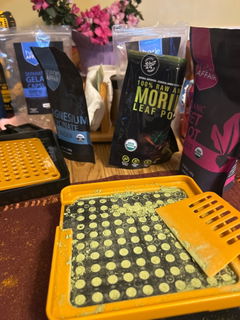
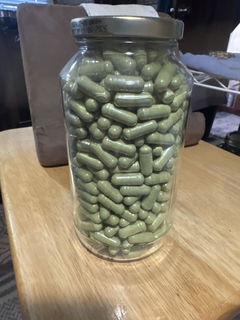
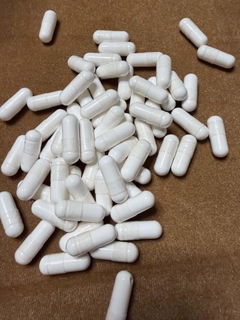
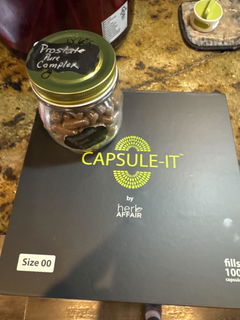
Buying a bottle off the shelf means trusting someone else's dosing decisions, someone else's fillers, and someone else's markup. Making your own capsules puts those decisions back in your hands. Here is what actually matters when you fill them yourself:
Tamping Depends On Your Target Dose
There is no universal amount of pressure to use. How much you tamp the powder down depends entirely on the milligrams per capsule you are aiming for, since a looser pack holds less powder than a firm one. A digital scale is the only reliable way to confirm you hit your number, and we sell one made for this.
Some Weight Variance Is Normal
Even careful hand filling produces capsules that vary by about 10 percent in weight from one to the next. That is expected, and it mirrors the variance found in commercially manufactured supplements, so it is nothing to second-guess once you see it.
Store Capsules Properly To Preserve Potency
Once filled, store your capsules in a mason jar or a zip-lock bag, kept cool and dry, away from direct light. Dry powders like this typically hold potency for 2 to 3 years from the manufacture date when stored this way. Our guide on 9 Best Herbs and Vitamins for Managing Stress and Anxiety Naturally covers other options.
Is Magnesium Glycinate For Mood And Stress Right For You?
Every supplement has a scope, and knowing where that scope ends is part of using it well. Magnesium glycinate for anxiety works best as one piece of a broader approach, not a standalone fix. Here is an honest look at what it can offer and where its limits are:
What It May Support
Some people notice a steadier mood and an easier time settling down in the evening after weeks of consistent use, likely tied to calming neurotransmitter activity. Most find the effect builds gradually rather than overnight. Our breakdown of Top 11 Adaptogens to Help the Body Cope with Stress covers other tools on a similar timeline.
What It Will Not Do
Magnesium glycinate is not a sedative and will not produce an immediate calming effect the way a fast-acting compound would. It also will not replace therapy, medication, or professional care for anxiety that is interfering with daily life.
When To Talk To A Doctor First
If you take medication for blood pressure, kidney function, or heart rhythm, check with a doctor before adding magnesium, since it can interact with certain drugs. Anyone with kidney disease should be especially cautious, as impaired kidneys struggle to clear excess magnesium.
These statements have not been evaluated by the Food and Drug Administration. This product is not intended to diagnose, treat, cure, or prevent any disease.
Sources:
- Boyle, N. B., Lawton, C., & Dye, L. (2017). The effects of magnesium supplementation on subjective anxiety and stress—A systematic review. Nutrients, 9(5), 429. https://doi.org/10.3390/nu9050429
- Maier, J. A. M., Locatelli, L., Fedele, G., Cazzaniga, A., & Mazur, A. (2023). Magnesium and the brain: A focus on neuroinflammation and neurodegeneration. International Journal of Molecular Sciences, 24(1), 223. https://doi.org/10.3390/ijms24010223
- Pickering, G., Mazur, A., Trousselard, M., Bienkowski, P., Yaltsewa, N., Amessou, M., Noah, L., & Pouteau, E. (2020). Magnesium status and stress: The vicious circle concept revisited. Nutrients, 12(12), 3672. https://doi.org/10.3390/nu12123672
- Schuchardt, J. P., & Hahn, A. (2017). Intestinal absorption and factors influencing bioavailability of magnesium—An update. Current Nutrition & Food Science, 13(4), 260–278. https://doi.org/10.2174/1573401313666170427162740
- Zhu, H., & Gouaux, E. (2021). Architecture and assembly mechanism of native glycine receptors. Nature, 599(7885), 513–517. https://doi.org/10.1038/s41586-021-04022-z