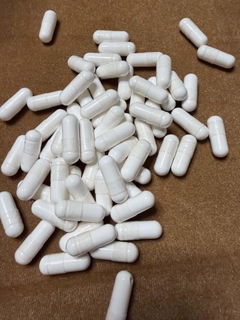
Most empty vegetarian capsules are made from hydroxypropyl methylcellulose, or HPMC. This is a plant-derived polymer made by chemically modifying cellulose, which comes from wood pulp or cotton fiber. It forms a stable shell that dissolves reliably in the digestive tract, much like gelatin does, without using any animal byproducts.
Some vegetarian capsules use pullulan instead. Pullulan is a naturally fermented polysaccharide derived from tapioca starch. It tends to carry a lower oxygen transmission rate than HPMC, which makes it a common choice for oxygen-sensitive ingredients.
Both materials are free of gluten, preservatives, and the additives you find in many finished supplements. When you buy empty vegetarian capsules, you get a clean shell and nothing else. That simplicity is the point. When you fill your own capsules, the shell should stay out of the way and let your chosen ingredient do its job.
Who Actually Needs Veggie Capsules (And Who Doesn't)
Not everyone needs a vegetarian capsule, but for some people, gelatin is simply off the table. The decision usually comes down to three things: diet, belief, and ingredient chemistry. Here is how to think through each one:
Vegetarian, Vegan, and Religious Dietary Needs
Gelatin is made from animal collagen, typically sourced from bovine or porcine hides and bones. If you follow a vegetarian or vegan diet, or observe religious guidelines that restrict certain animal products, HPMC or pullulan capsules are the straightforward alternative. For a fuller breakdown, our Gelatin vs. Vegetarian Capsules: What's the Difference page walks through exactly how the two materials compare.
Moisture-Sensitive Ingredients
Some powders, particularly hygroscopic ones that readily absorb water from their surroundings, can degrade faster inside a gelatin shell. Gelatin naturally retains more moisture than HPMC. If you are filling capsules with an ingredient that reacts poorly to humidity, a cellulose capsule may help preserve stability over time.
When Gelatin Works Just Fine
If you have no dietary restrictions and your ingredients are not moisture-sensitive, gelatin capsules are a reliable, cost-effective option. They have a longer track record in pharmaceutical manufacturing and dissolve predictably in the gut. Choosing veggie capsules in that case is a preference, not a necessity.
Sizes, Fill Weights, And What To Expect When Filling Empty Veggie Capsules
Knowing which size to buy before you order saves you from a frustrating first batch. Vegetarian capsules follow the same sizing system as gelatin capsules, but there are a few handling differences worth knowing before you start filling. Here is what to keep in mind:
Capsule Sizes And Approximate Fill Capacity
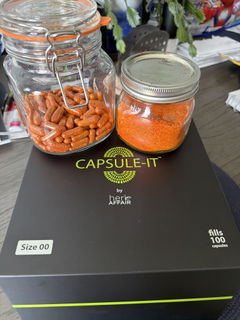
Size 00 is the most common choice for home use. It holds roughly 735mg of powder at a typical fill density, while Size 0 holds around 500mg, and Size 1 holds approximately 400mg. The actual weight in your capsule will vary depending on the density of your specific powder. Our Empty Capsule Sizes page has a full reference chart to help you match your ingredient to the right size.
How Vegetarian Capsule Shells Handle During Filling
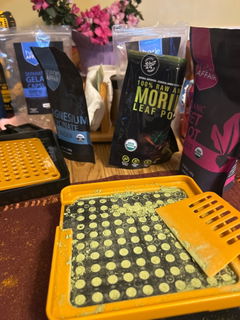
HPMC shells are slightly more rigid than gelatin at room temperature. They are less prone to sticking together in humid conditions, which most home fillers find helpful (Pharmaceutical Science and Technology, 2021). That said, they can be marginally more brittle if handled roughly, so working at a steady pace with a capsule filling machine reduces waste.
Getting The Most Out Of Your Filling Setup
A consistent fill starts with a consistent process. We recommend using a digital scale to verify fill weight per batch, especially when you are dialing in a new formula. If you are new to filling your own capsules, our Why You Should Fill Your Own Capsules page is a good place to start before your first order.
Making The Right Choice For Your Formula
Vegetarian capsules are a clean, reliable shell for anyone who needs to avoid animal products or is working with moisture-sensitive ingredients. If neither of those applies to you, gelatin is a perfectly sound choice. The material matters less than knowing why you are choosing it.
What matters more is the powder inside. That is where your formula lives. The capsule is just the delivery vehicle, and a good one should stay out of the way. HPMC and pullulan do exactly that.
If you search for empty vegetable capsules and find yourself overwhelmed by options, our Vegetarian Capsule Information page covers the material in more depth. And if you are ready to get started, we carry empty vegetarian capsules in Sizes 00, 0, and 1, in both standard and pre-separated styles, so you can build your setup around how you actually work.
These statements have not been evaluated by the Food and Drug Administration. This product is not intended to diagnose, treat, cure, or prevent any disease.
Sources:
- Biyani, M. (2021). HPMC capsules for moisture sensitive and hygroscopic products. Pharmaceutical Science and Technology, 5(2), 50–52. https://doi.org/10.11648/j.pst.20210502.14
- Chiwele, I., Jones, B. E., & Podczeck, F. (2000). The shell dissolution of various empty hard capsules. Chemical and Pharmaceutical Bulletin, 48(7), 951–956. https://doi.org/10.1248/cpb.48.951
- Singh, R. S., Kaur, N., Singh, D., Purewal, S. S., & Kennedy, J. F. (2023). Pullulan in pharmaceutical and cosmeceutical formulations: A review. International Journal of Biological Macromolecules, 231, 123353. https://doi.org/10.1016/j.ijbiomac.2023.123353